.webp)
Powering AI at High Current Density: An Introduction to Integrated Voltage Regulators
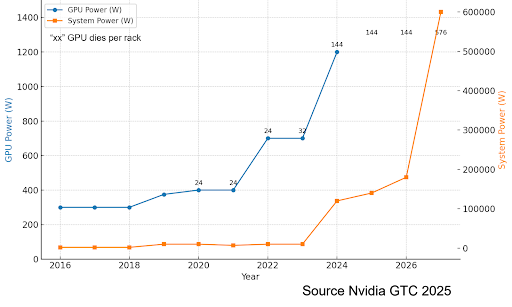
Modern compute and networking chips consume more power while operating at lower voltages (~0.8–1.2 V), which requires very high current—often thousands of amps for the core rails (Figure 1). Increasing integration leaves less space for power components, driving higher power density at the package and board level.
In traditional designs, voltage regulators are placed on the PCB and power is delivered laterally through planes and vias (Figure 2). As currents rise, current density requirements increase, and workloads change faster, these longer paths limit transient response and increase losses, making it harder to maintain both voltage regulation and efficiency.
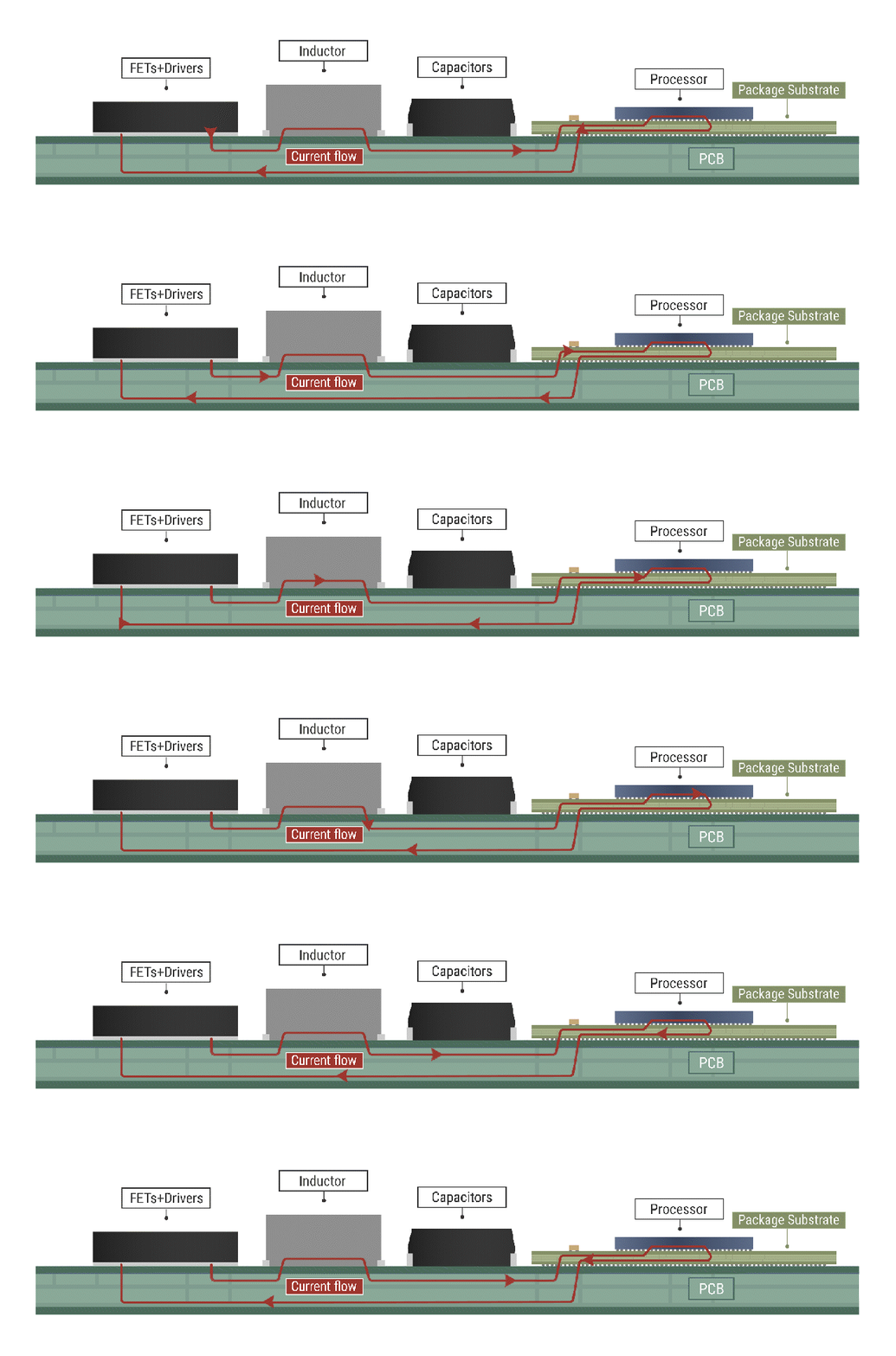
Scaling solutions with larger regulators, heavier copper, and more decoupling helps, but at the expense of both area and cost with progressively diminishing returns.
Thus, as power density increases, PDN inductance and efficiency losses become dominant constraints. Integrated Voltage Regulators (IVRs) address this by moving regulation closer to the load, significantly shortening the power path and reducing impedance.
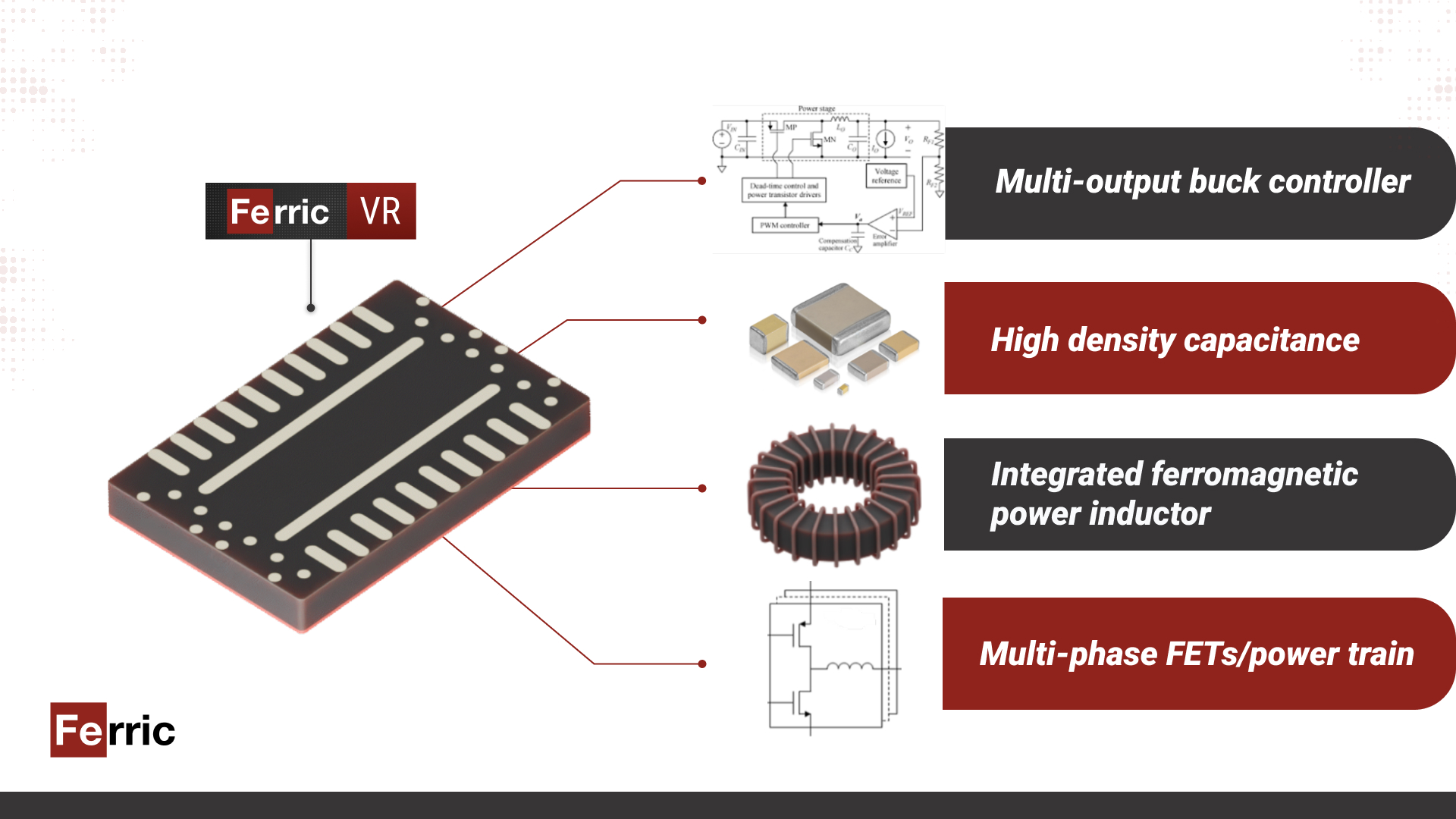
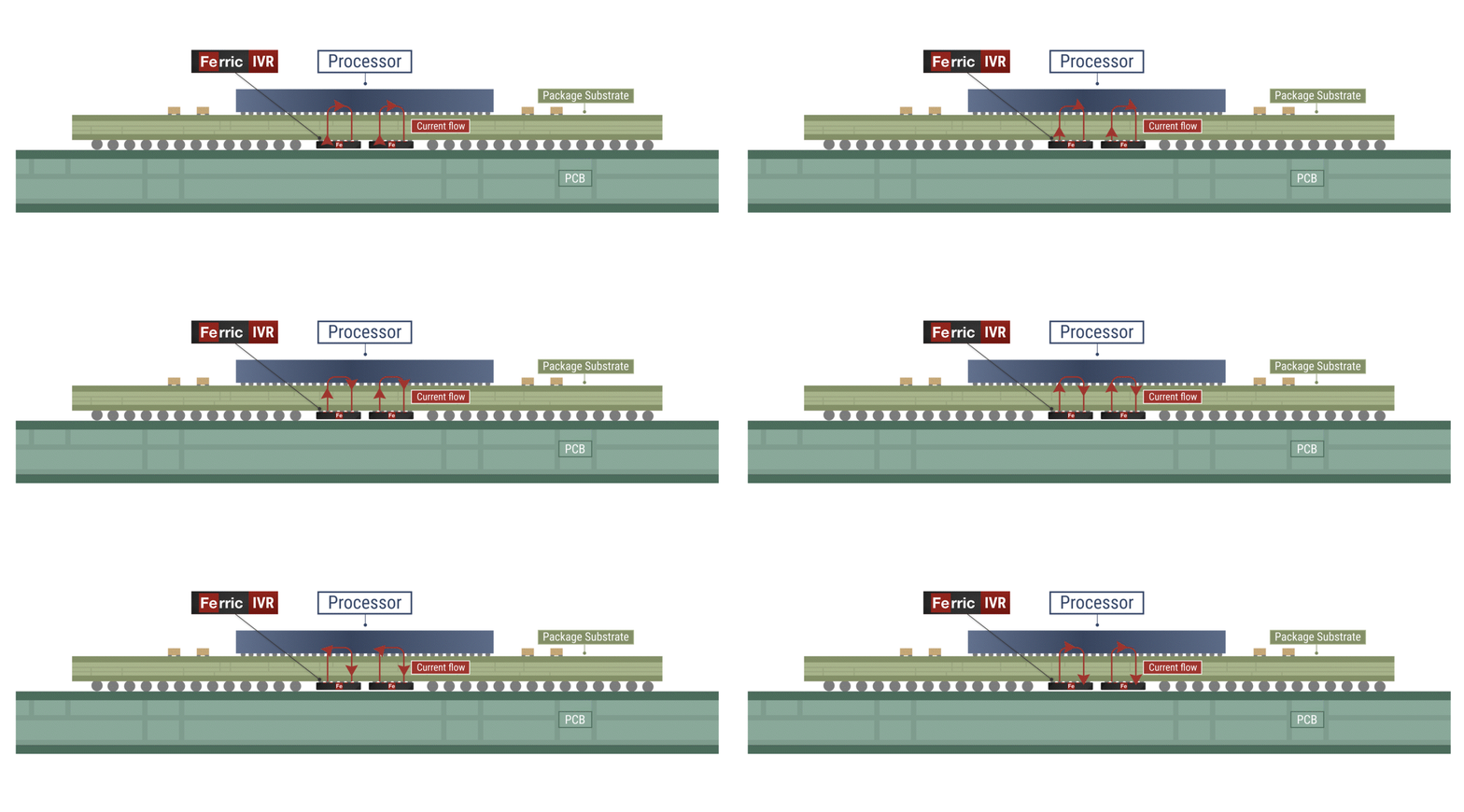
IVRs achieve this by integrating FETs, controller, inductor, and capacitance into a much smaller package, compared to traditional VRs and modules, enabling operation at much higher current and power density than traditional board-level regulators. This close integration (Figure 4) reduces PDN length, parasitic inductance, improves transient response, and allows regulation to occur where current is actually consumed rather than compensating for distance with additional copper and capacitance.
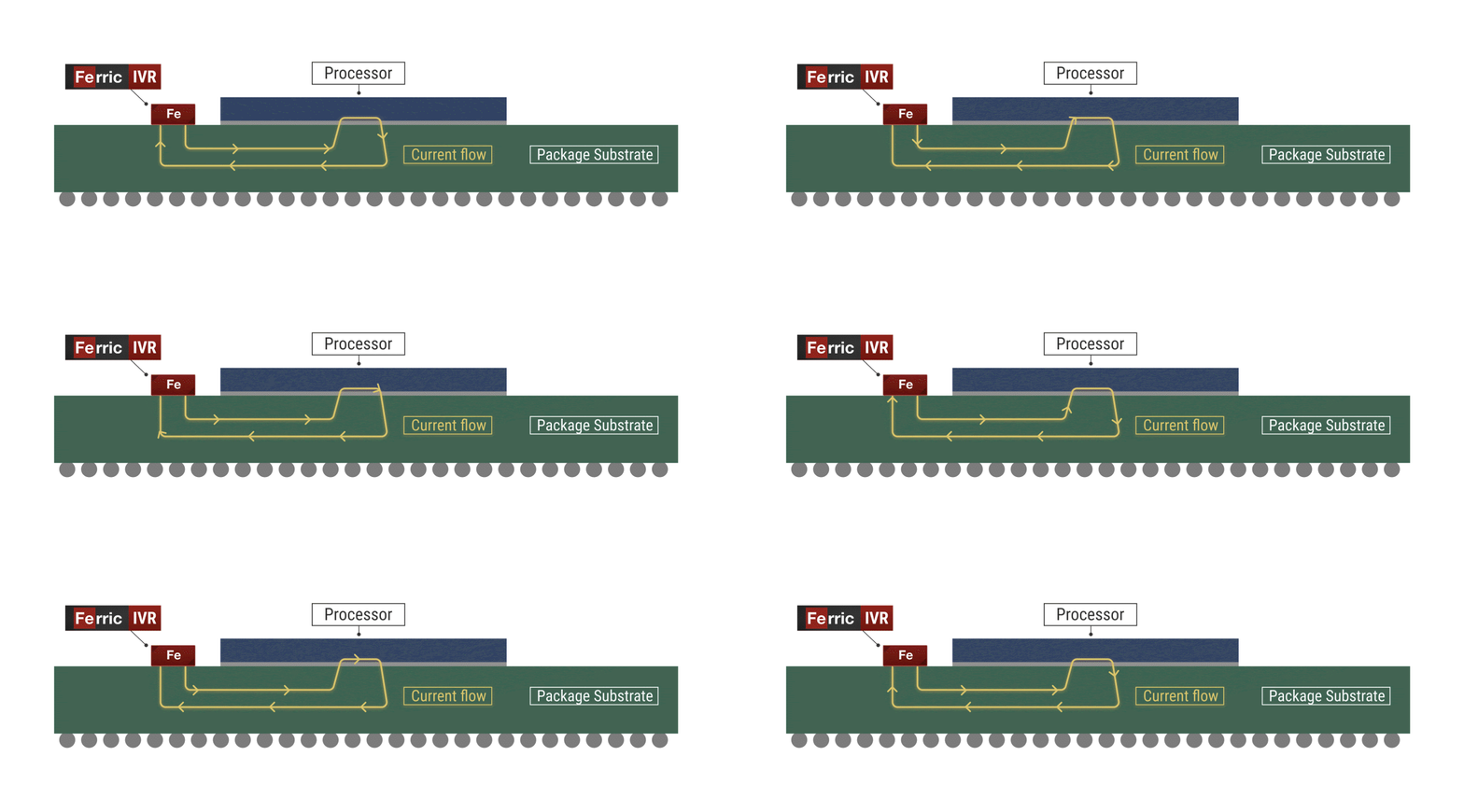
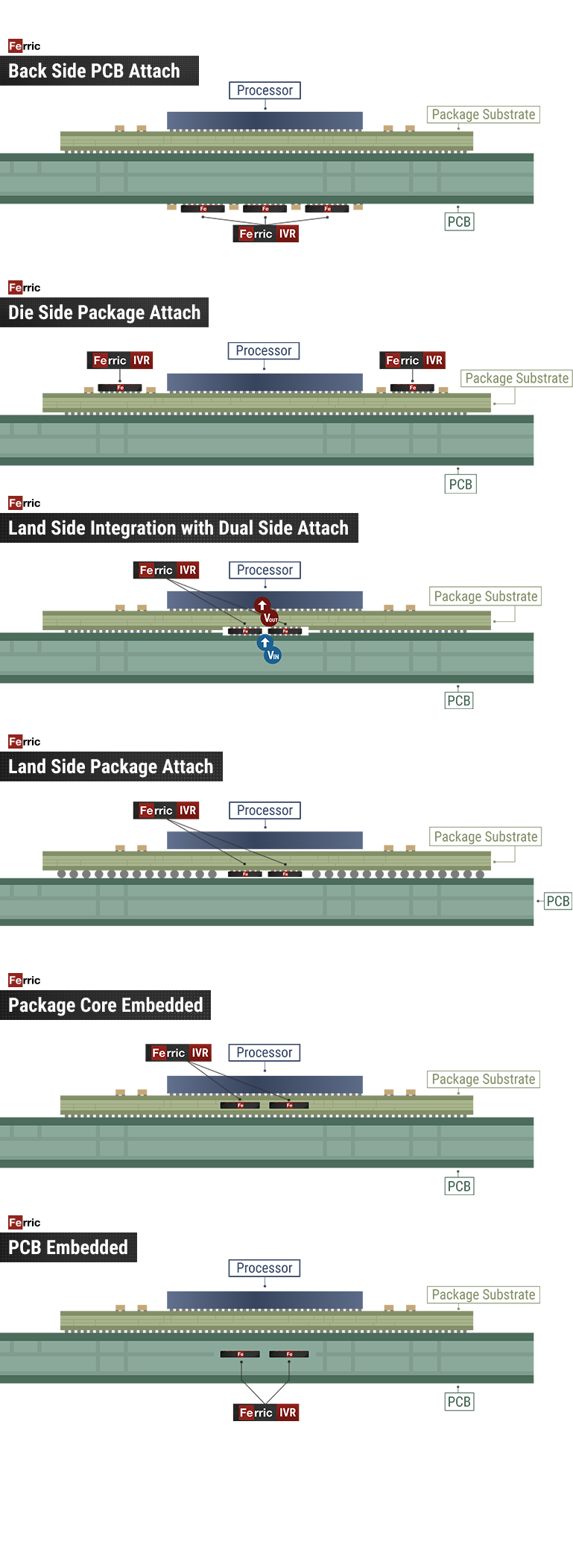
By prioritizing proximity and integration, IVRs enable tighter PDNs, faster voltage recovery, and improved end-to-end efficiency in space-constrained compute and networking systems.
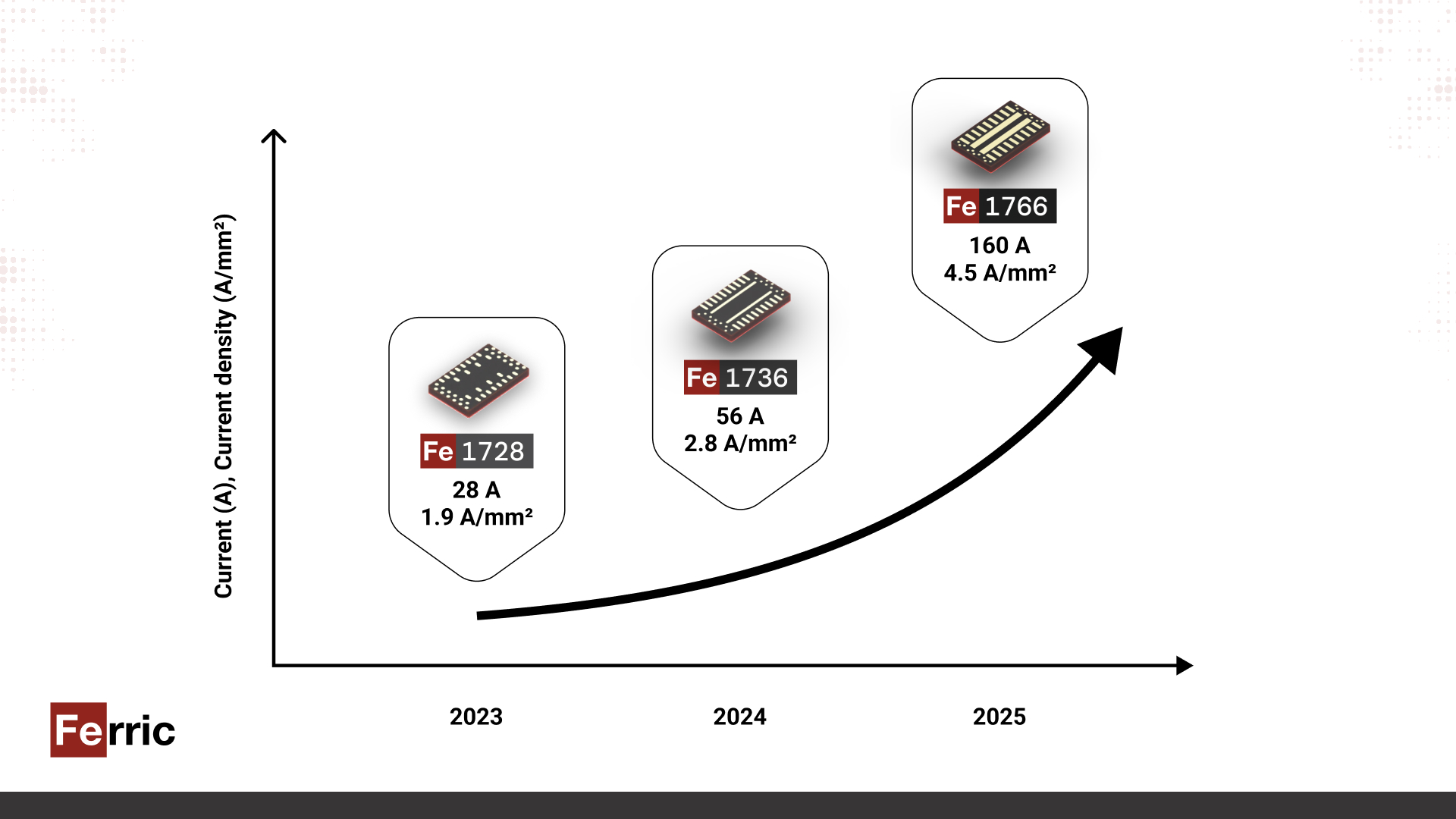
While IVRs are not a universal solution, they are becoming an important part of modern compute and networking power architectures. Future articles will explore how IVRs compare to conventional regulators, where they provide the most benefit, and the tradeoffs involved in their use.
.webp)


